단어 수준자주 쓰는 3,000 단어가 본문의 88%예요. 그 밖의 단어는 100단어에 12개꼴이에요.
- 1K68%
- 2K14%
- 3K6%
- 5K6%
- 5K+6%
5,000 단어 밖 embed · agentic · underneath · optimism · starkly · beautifully · workflows · automated
Hook
The Most Expensive Pilot Program in Technology History
기술 역사상 가장 비싼 파일럿 프로그램
AI — systems that plan, use tools, complete multi-step tasks, and report back without being prompted at every turn — has become the defining enterprise technology story of 2026. Gartner projects that by the end of this year, 40 percent of enterprise applications will embed task-specific AI agents — up from fewer than five percent in 2025, a change that no previous enterprise technology has managed in a year. Spending is equally dramatic: Gartner puts global investment in AI at $201.9 billion in 2026 — a 141 percent increase from 2025, and the largest single-year jump ever recorded in enterprise software history.
에이전틱 AI — 매 단계마다 지시 없이도 계획하고, 도구를 사용하고, 다단계 작업을 완료하고 결과를 보고하는 시스템 — 은 2026년 기업 기술의 핵심 이야기가 됐어요. 가트너는 올해 말까지 기업 애플리케이션의 40%가 특정 작업 전용 AI 에이전트를 탑재할 것으로 전망했어요. 2025년의 5% 미만에서 단 1년 만에 이루어지는 변화로, 이전 어떤 기업 기술도 한 해 만에 이를 달성한 적이 없어요. 투자 규모도 놀라워요. 가트너는 2026년 에이전틱 AI 글로벌 투자액을 2,019억 달러로 추산했는데, 이는 2025년 대비 141% 증가로 기업 소프트웨어 역사상 최대 단년도 급등이에요.
What's new
The 62-23 Problem
62 대 23의 문제
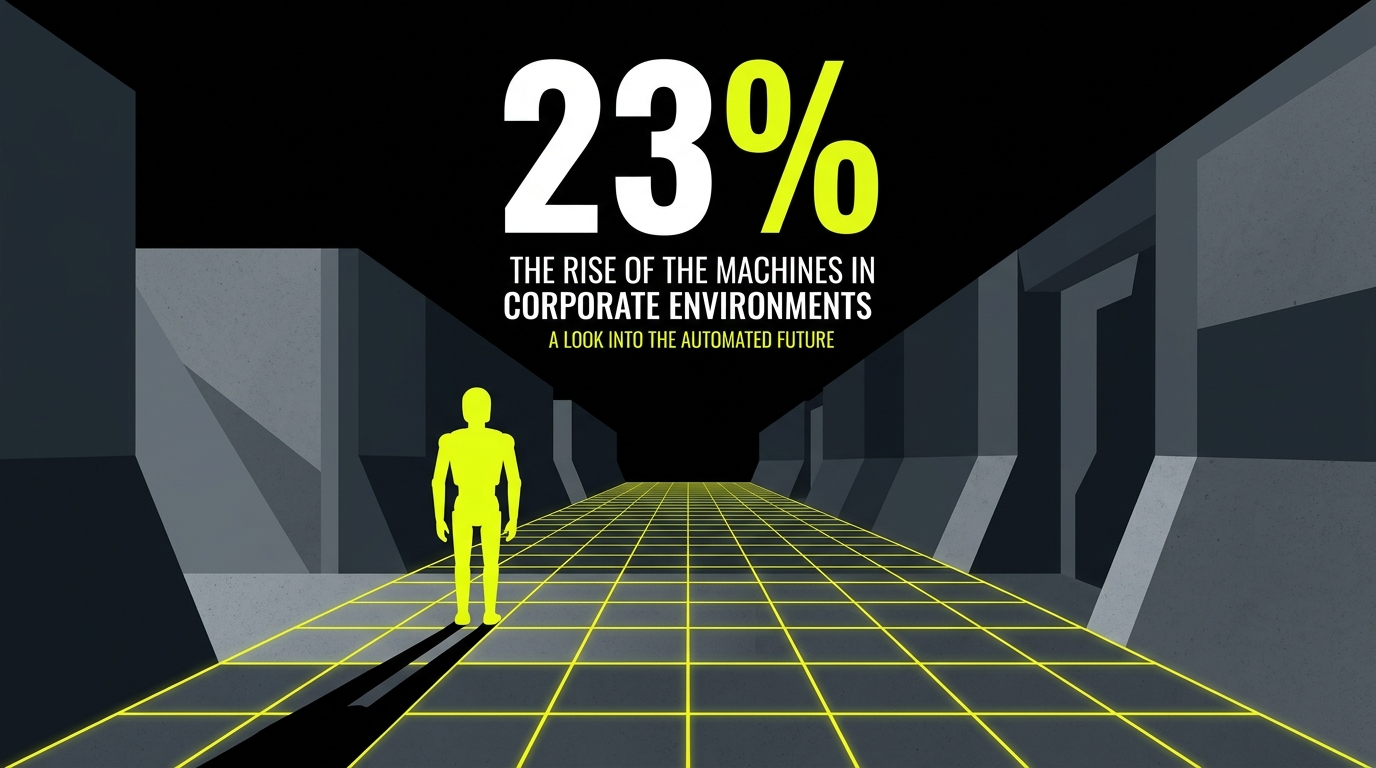
Yet underneath that headline optimism sits a number that enterprise leaders are quietly more worried about: McKinsey's latest data shows that while 62 percent of organizations are experimenting with AI agents, only 23 percent have successfully scaled them to production. Accenture and Wipro put the problem even more starkly: 70 to 80 percent of AI initiatives never make it past the pilot stage, making this the most expensive proof-of-concept phase in enterprise technology history. The pilot-to-scale gap is structural, not technical: agents that work beautifully in a controlled demo break when they touch real enterprise data, real security policies, and real workflows that were never designed to be automated.
그런데 그 낙관적인 숫자들 아래에는 기업 리더들이 조용히 더 걱정하는 수치가 있어요. 맥킨지의 최신 데이터에 따르면, 기업의 62%가 AI 에이전트를 실험하고 있지만 실제 운영 환경까지 확산한 곳은 23%에 불과해요. 액센추어와 위프로는 이 문제를 더 직접적으로 표현해요. 에이전틱 AI 이니셔티브의 70~80%가 파일럿 단계를 벗어나지 못한다고 해요. 기업 기술 역사상 가장 비용이 많이 드는 개념 증명 단계인 셈이에요. 파일럿-확산 격차의 원인은 기술적인 문제가 아니라 구조적인 문제예요. 통제된 시연에서 완벽하게 작동하는 에이전트도, 실제 기업 데이터와 보안 정책, 자동화를 위해 설계된 적 없는 실제 업무 흐름에 부딪히면 망가져버려요.
Why it matters
What Actually Breaks When You Scale
확산하면 실제로 무엇이 망가질까요
The most common failure mode is what engineers call "permission creep" — an AI agent that starts with read-only access to documents gradually accumulates permissions until it can send emails, modify databases, and schedule meetings on behalf of employees who never explicitly authorized those actions. Making an agent enterprise grade — adding audit logs, role-based access controls, compliance reporting, and data residency constraints — typically triples the engineering time required and eliminates the very speed advantages that made the pilot look impressive. The productivity numbers that convinced leadership during the pilot — teams reclaiming 40 or more hours per month, tasks finishing in minutes instead of days — do not transfer to the whole organization automatically; they require process redesign that IT alone cannot execute. The most critical unsolved problem is guardrails: without technical and policy constraints that prevent an AI agent from acting beyond its intended scope, a misconfigured agent can contact thousands of customers, cancel contracts, or expose confidential data at machine speed before any human notices.
가장 흔한 실패 유형은 엔지니어들이 '권한 확장'이라고 부르는 현상이에요. 문서 읽기 전용 권한으로 시작한 AI 에이전트가 이메일 발송, 데이터베이스 수정, 회의 예약까지 할 수 있도록 권한이 점점 늘어나는 거예요. 정작 담당 직원들이 그런 권한을 명시적으로 부여한 적은 없어요. 에이전트를 기업용 수준으로 만드는 과정 — 감사 로그, 역할 기반 접근 제어, 규정 준수 보고, 데이터 지역화 제약 추가 — 은 통상 필요한 엔지니어링 시간을 세 배로 늘려요. 그리고 바로 파일럿을 인상적으로 보이게 만들었던 속도 이점을 없애버려요. 파일럿 때 경영진을 설득했던 생산성 수치 — 팀이 월 40시간 이상을 되찾고, 며칠 걸리던 작업이 몇 분 만에 끝나는 — 도 조직 전체에 자동으로 적용되지 않아요. IT 부서만으로는 실행할 수 없는 프로세스 재설계가 필요하거든요. 가장 중요한 미해결 문제는 가드레일이에요. AI 에이전트가 의도한 범위를 벗어나 행동하는 것을 막는 기술적, 정책적 제한이 없다면, 잘못 설정된 에이전트 하나가 사람이 알아채기도 전에 기계 속도로 수천 명의 고객에게 연락하거나, 계약을 취소하거나, 기밀 데이터를 노출할 수 있어요.
Korea angle
Korea's Chaebol Advantage — and Its Blind Spot
한국 대기업의 강점, 그리고 사각지대
Korea's largest conglomerates — Samsung, SK, LG, and Hyundai — have moved faster than most global peers in announcing AI deployments, with multiple groups reporting pilot programs across five or more business units by the second quarter of 2026. The chaebol organizational model — centralized decision-making, large in-house engineering teams, and tight vertical integration across subsidiaries — provides a structural advantage: when the group CTO orders an agent rollout, it moves faster than in Western enterprises where buy-in must be negotiated function by function. The blind spot is equally structural: each chaebol subsidiary maintains separate data systems, compliance frameworks, and HR policies, making cross-unit agent orchestration — the use case with the highest business value — technically harder than it appears from the top of the group. Korea's mid-market — companies with 500 to 5,000 employees that lack the engineering resources of chaebols but face identical pressure to demonstrate AI capability to clients and competitors — is where the pilot-to-scale gap is widest and least publicly discussed.
한국의 주요 대기업 — 삼성, SK, LG, 현대 — 은 에이전틱 AI 도입 발표에서 글로벌 동종업체보다 빠르게 움직였어요. 여러 그룹이 2026년 2분기까지 5개 이상의 사업부에서 파일럿 프로그램을 운영 중이라고 발표했어요. 재벌의 조직 모델 — 중앙화된 의사결정, 대규모 사내 엔지니어링 팀, 계열사 간 긴밀한 수직 통합 — 은 구조적 강점을 제공해요. 그룹 CTO가 에이전트 롤아웃을 지시하면, 부서별로 동의를 받아야 하는 서구 기업보다 훨씬 빠르게 실행돼요. 하지만 사각지대도 동등하게 구조적이에요. 재벌 계열사들은 각각 별도의 데이터 시스템, 컴플라이언스 프레임워크, 인사 정책을 운영하기 때문에, 가장 높은 사업 가치를 갖는 사용 사례인 계열사 간 에이전트 오케스트레이션이 그룹 최상위에서 보기보다 기술적으로 훨씬 어려워요. 파일럿-확산 격차가 가장 크고 논의가 가장 부족한 곳은 한국의 중견 기업이에요. 직원 500~5,000명 규모로, 재벌의 엔지니어링 자원은 없지만 고객과 경쟁자에게 AI 역량을 증명해야 한다는 압박은 동일하게 받는 기업들이에요.
What you can do
Three Questions That Separate Scalable Agents from Expensive Demos
확산 가능한 에이전트와 비싼 시연을 나누는 세 가지 질문
Before you greenlight any new AI agent pilot, ask the team building it to answer three questions in writing: who has the authority to revoke the agent's permissions at any time, what happens to the data the agent touches after the task is complete, and what is the human escalation path when the agent encounters a situation it was not designed to handle. If the team cannot answer those three questions in a one-page document, the pilot is not ready — not because the agent does not work, but because the organization around it has not been designed for the agent's failure modes. Watch for the gap between what your AI vendor demonstrates and what your IT security team approves: every feature in the demo that requires access to production data, customer records, or external APIs will need a compliance review that the demo timeline never accounts for.
새로운 AI 에이전트 파일럿을 승인하기 전에, 개발 팀에게 세 가지 질문에 문서로 답하도록 요청해 보세요. 에이전트의 권한을 언제든 취소할 수 있는 권한은 누구에게 있는지, 작업 완료 후 에이전트가 접근한 데이터는 어떻게 되는지, 에이전트가 설계되지 않은 상황에 처했을 때 사람이 개입하는 경로는 무엇인지예요. 팀이 그 세 가지 질문에 한 장짜리 문서로 답할 수 없다면, 파일럿은 아직 준비된 게 아니에요. 에이전트가 작동하지 않아서가 아니라, 에이전트의 실패 유형에 대비한 조직 설계가 되어 있지 않기 때문이에요. AI 벤더가 시연하는 것과 여러분의 IT 보안 팀이 승인하는 것 사이의 간극을 주의 깊게 살펴보세요. 시연에서 운영 데이터, 고객 기록, 외부 API에 접근이 필요한 모든 기능은 시연 일정에서 전혀 고려하지 않는 컴플라이언스 검토가 필요할 거예요.
Recall
다시 읽기 전에, 떠올려 보세요
한국어 문장을 보고 빈칸에 들어갈 영어 표현을 써 보세요. 다시 읽는 것보다 기억에서 꺼내 볼 때 더 오래 남아요.
이 칼럼이 마음에 드셨나요?
새 칼럼이 발행되면 영문 + 한글 본문을 통째로 메일로 보내드려요. 매일 아침, 광고 없이.
언제든 한 번에 해지할 수 있어요.