Workplace
Only 1 in 5 Workers Is Engaged — And Managers Are Falling Next
직원 5명 중 1명만 몰입한다 — 이제는 관리자도 무너지고 있어요
읽기 도움말단어 수준자주 쓰는 3,000 단어가 본문의 89%예요. 그 밖의 단어는 100단어에 11개꼴이에요.
- 1K75%
- 2K10%
- 3K4%
- 5K7%
- 5K+4%
5,000 단어 밖 disengaged · indifferent · disengagement · staggering · trillion · frontline · steepest · disengage
Hook
Monday Morning, and You've Already Checked Out
월요일 아침, 그리고 당신은 이미 마음이 떠나 있어요
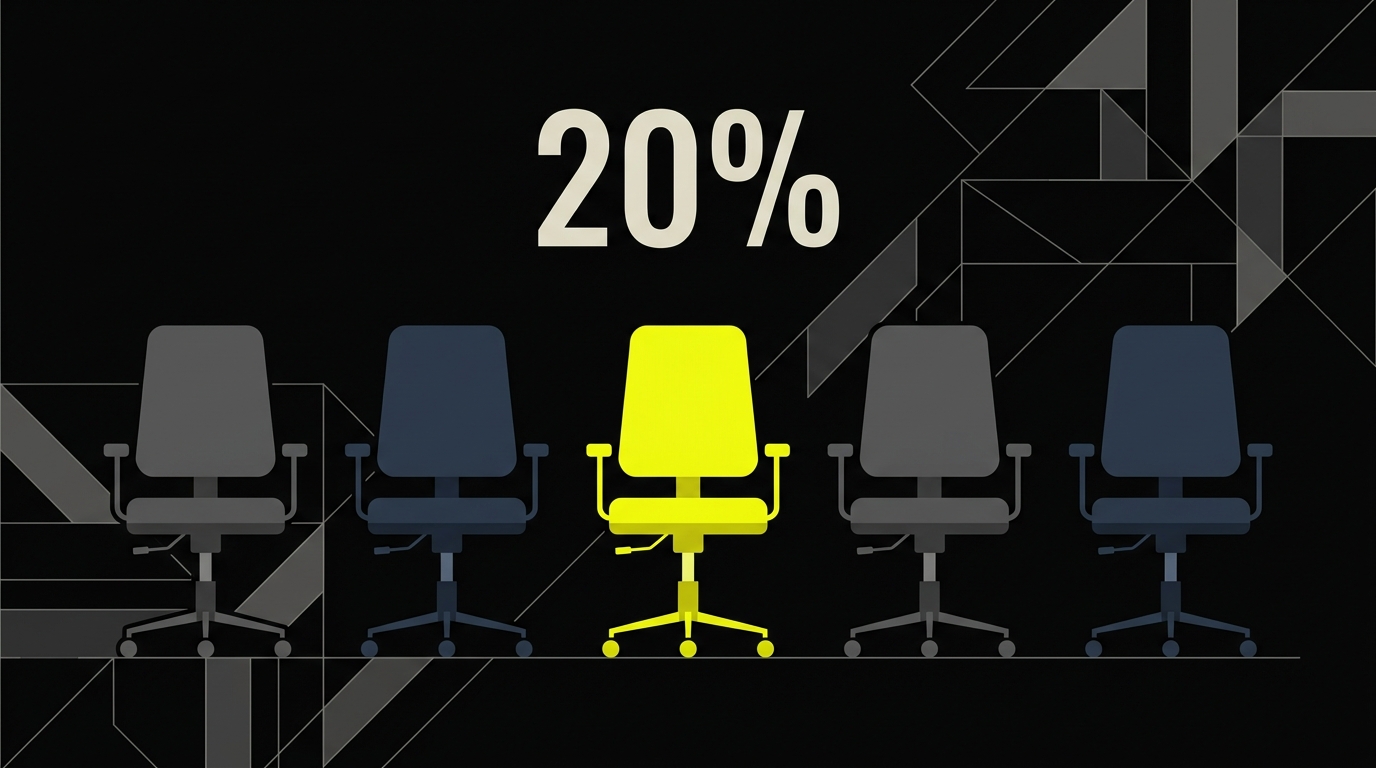
You open Slack at 9:07 AM, scan three channels, close the app without replying, and think: "I'll deal with it after coffee." If this sounds familiar, you are not alone — and new global data suggests this feeling is spreading across offices, industries, and countries all at once. Gallup's 2026 State of the Global Workplace report — compiled from surveys of 141,444 employed workers across more than 160 countries — found that global employee engagement has fallen to just 20%, its lowest point since 2020.
오전 9시 7분에 슬랙을 열고, 채널 세 개를 훑어보고, 아무 답장도 하지 않은 채 앱을 닫아요. 그리고 생각해요. "커피 마시고 다시 볼게." 이 장면이 익숙하다면, 혼자가 아니에요. 그리고 새로운 글로벌 데이터는 이 느낌이 사무실과 업종, 나라를 가리지 않고 동시에 퍼지고 있음을 보여줘요. 갤럽의 2026 글로벌 직장 상태 보고서는 160개국 이상의 취업자 14만 1,444명을 대상으로 한 조사 결과예요. 전 세계 직원 몰입도가 2020년 이후 최저치인 20%까지 떨어졌다는 사실이 드러났어요.
The data
10 Trillion Dollars Worth of "I Don't Care"
"관심 없어"의 대가 — 10조 달러
Employee engagement measures how committed workers are to their jobs, their teams, and their organization's goals — not just whether they show up, but whether they genuinely care about the outcome. Only 20% of global workers qualify as engaged — meaning four out of every five people at work today are not volunteering ideas, not going the extra mile, and not actively helping colleagues succeed. The remaining 80% divides into two groups: 64% are "not engaged" — going through the motions — while 16% are "actively disengaged," meaning they are not just indifferent but are working against their organization's goals. The economic cost of this disengagement is staggering: Gallup estimates the global economy lost approximately $10 trillion in productivity in 2025 — roughly equal to the combined GDP of Japan, Germany, and the United Kingdom.
직원 몰입도는 직원들이 자신의 일, 팀, 조직 목표에 얼마나 헌신하는지를 측정해요. 단순히 출근하는지가 아니라, 결과에 진심으로 관심을 갖는지를 보는 거예요. 전 세계 근로자 중 몰입 상태로 분류되는 비율은 고작 20%예요. 지금 직장에 있는 다섯 명 중 네 명은 자발적으로 아이디어를 내놓지 않고, 한 발짝 더 나아가지 않으며, 동료의 성공을 위해 적극적으로 돕지 않는다는 뜻이에요. 나머지 80%는 두 그룹으로 나뉘어요. 64%는 '비몰입' 상태로, 그냥 시키는 일만 해요. 그리고 16%는 '적극적 비몰입'으로, 단순히 무관심한 게 아니라 조직의 목표에 적극적으로 역행하는 방식으로 행동해요. 이 비몰입의 경제적 대가는 충격적이에요. 갤럽은 2025년 한 해 동안 전 세계 경제가 약 10조 달러의 생산성을 잃었다고 추산해요. 일본, 독일, 영국의 GDP를 모두 합친 규모와 맞먹어요.
The cause
Why Engagement Is Falling — Starting at the Top
몰입도가 떨어지는 이유 — 위에서부터 무너지고 있어요
The most alarming finding in Gallup's report is not about frontline employees — it is about managers: manager engagement dropped from 27% to 22% in a year, the steepest one-year decline ever recorded. This matters because Gallup's own research shows that 70% of a team's engagement level is determined by its direct manager — when managers disengage, teams nearly always follow within months. Managers are caught in a squeeze: they are expected to implement AI tools, enforce return-to-office mandates, hit tighter performance targets, and simultaneously keep their teams motivated — often with no additional support, training, or pay. The result is what researchers now call "quiet burnout": workers — manager or not — continue showing up physically, meet minimum requirements, but have mentally withdrawn and stopped growing, innovating, or caring.
갤럽 보고서에서 가장 충격적인 발견은 현장 직원에 관한 것이 아니에요. 바로 관리자에 관한 이야기예요. 관리자 몰입도가 단 1년 만에 27%에서 22%로 떨어졌는데, 역대 가장 가파른 1년 하락이에요. 이것이 중요한 이유가 있어요. 갤럽의 자체 연구에 따르면 팀 몰입도의 70%는 직속 관리자에 의해 결정돼요. 관리자가 몰입을 잃으면, 팀도 거의 예외 없이 수개월 안에 따라 내려가요. 관리자들은 압박에 끼어 있어요. AI 도구를 도입하고, 사무실 복귀 정책을 시행하고, 더 빡빡한 성과 목표를 달성하면서, 동시에 팀의 동기도 유지해야 해요. 그러면서 추가 지원도, 교육도, 급여 인상도 없는 경우가 대부분이에요. 그 결과 연구자들이 '조용한 번아웃'이라 부르는 상태가 나타나고 있어요. 관리자든 일반 직원이든, 몸은 출근하고 최소 요건은 충족하지만, 마음속으로는 이미 물러나 성장도, 혁신도, 관심도 멈춘 거예요.
Korea reality
Why Korean Workers Feel This More Acutely
한국 직장인이 이것을 더 예민하게 느끼는 이유
East Asia and South Asia recorded the largest engagement declines in Gallup's 2026 report — a pattern that maps onto the region's distinctive workplace pressures: long-hours culture, limited psychological safety, and hierarchical structures where speaking up is rarely safe. In Korea specifically, average annual working hours remain among the highest in the OECD — and research consistently shows that hours worked beyond a threshold correlate negatively with engagement, not positively. The result is a familiar Korean pattern: workers appear productive by hours-at-desk measures, but much of that presence is performance rather than genuine engagement — a gap that Gallup's attitude-based methodology is uniquely designed to detect.
갤럽 2026 보고서에서 동아시아와 남아시아가 가장 큰 몰입도 하락을 기록했어요. 이 지역 특유의 직장 압박과 맞닿아 있는 패턴이에요. 장시간 근무 문화, 낮은 심리적 안전감, 그리고 의견을 내는 것이 좀처럼 안전하지 않은 수직적 조직 구조가 배경에 있어요. 특히 한국의 연간 평균 근로 시간은 여전히 OECD 최상위권이에요. 그리고 연구들은 꾸준히 같은 결론을 내려요. 일정 임계값을 넘어선 근로 시간은 몰입도와 양의 상관관계가 아니라 음의 상관관계를 보인다는 거예요. 결과적으로 익숙한 한국 직장의 패턴이 만들어져요. 책상 앞에 앉아 있는 시간으로 보면 생산적으로 보이지만, 그 시간의 상당 부분이 진짜 몰입이 아닌 출석 퍼포먼스예요. 갤럽의 태도 기반 방법론은 바로 이 격차를 포착하도록 설계된 도구예요.
Quick fix
Three Things You Can Try Before Friday
이번 주 금요일 전에 시도해볼 수 있는 세 가지
You do not need to wait for your company to launch an engagement program — research shows the most reliable driver of individual engagement is not a culture initiative, but one direct, honest conversation each week with your manager or a respected peer. For managers, the highest-return action is a 15-minute individual check-in — not a status update, but a genuine question about what is making work feel hard this week, followed by one concrete offer of support. At the team level, engagement research points to one underused lever: giving people a meaningful choice in how they do their work, not just what they do — even small autonomy gains like choosing meeting times or task sequencing measurably lift engagement scores. Next time you catch yourself going through the motions at 9 AM, pause and name what is actually missing — because engagement does not return on its own, but it reliably responds when you or your team identify the specific gap and ask for one small change.
회사가 몰입 프로그램을 시작할 때까지 기다릴 필요 없어요. 연구에 따르면 개인 몰입도의 가장 확실한 동력은 문화 이니셔티브가 아니에요. 매주 관리자나 존경하는 동료와 나누는 솔직한 대화 한 번이에요. 관리자라면 가장 효과적인 행동이 하나 있어요. 15분짜리 1:1 대화예요. 업무 진행 상황 보고가 아니라, 이번 주 일이 왜 힘든지 진심으로 묻고, 구체적인 지원을 한 가지 제안하는 거예요. 팀 차원에서는 잘 활용되지 않는 레버가 하나 있어요. 사람들에게 무엇을 할지뿐 아니라, 어떻게 할지에 대한 의미 있는 선택권을 주는 거예요. 회의 시간이나 업무 순서 선택처럼 작은 자율성도 몰입도 점수를 눈에 띄게 높여요. 다음 번에 오전 9시에 그냥 몸만 움직이고 있는 자신을 발견하면, 잠깐 멈추고 무엇이 실제로 빠져 있는지 이름을 붙여 보세요. 몰입은 저절로 돌아오지 않아요. 하지만 여러분이나 팀이 무엇이 부족한지 정확히 짚어 내고 작은 변화 하나를 요청할 때, 몰입은 반드시 응답해요.
Recall
다시 읽기 전에, 떠올려 보세요
한국어 문장을 보고 빈칸에 들어갈 영어 표현을 써 보세요. 다시 읽는 것보다 기억에서 꺼내 볼 때 더 오래 남아요.
이 칼럼이 마음에 드셨나요?
새 칼럼이 발행되면 영문 + 한글 본문을 통째로 메일로 보내드려요. 매일 아침, 광고 없이.
언제든 한 번에 해지할 수 있어요.