Workplace
You Look Busy but Feel Stuck: The Hidden Cost of Productivity Paranoia
바빠 보이지만 정작 성과는 없다 — 생산성 불안의 숨겨진 비용
읽기 도움말단어 수준자주 쓰는 3,000 단어가 본문의 90%예요. 그 밖의 단어는 100단어에 10개꼴이에요.
- 1K75%
- 2K12%
- 3K3%
- 5K6%
- 5K+4%
5,000 단어 밖 disconnect · paranoia · measurable · performative · visibility · irony · workplace · dedication
Hook
You Look Busy — But Are You Actually Working?
바빠 보이는데 — 정말 일하고 있나요?
It's 9:07 AM and you've already sent two Slack messages, replied to an email, and updated your calendar — but you haven't started the one task that actually matters today. This gap — between looking busy and doing meaningful work — has a name now, and it's costing companies billions.
오전 9시 7분, 이미 슬랙 메시지 두 개를 보내고, 이메일에 답장하고, 캘린더도 업데이트했어요 — 하지만 오늘 진짜 중요한 그 일은 아직 시작도 안 했어요. 이 간극 — 바빠 보이는 것과 실제로 의미 있는 일을 하는 것 사이의 거리 — 에 이제 이름이 생겼어요. 그리고 기업들에 수십억 달러의 손실을 안기고 있어요.
The data
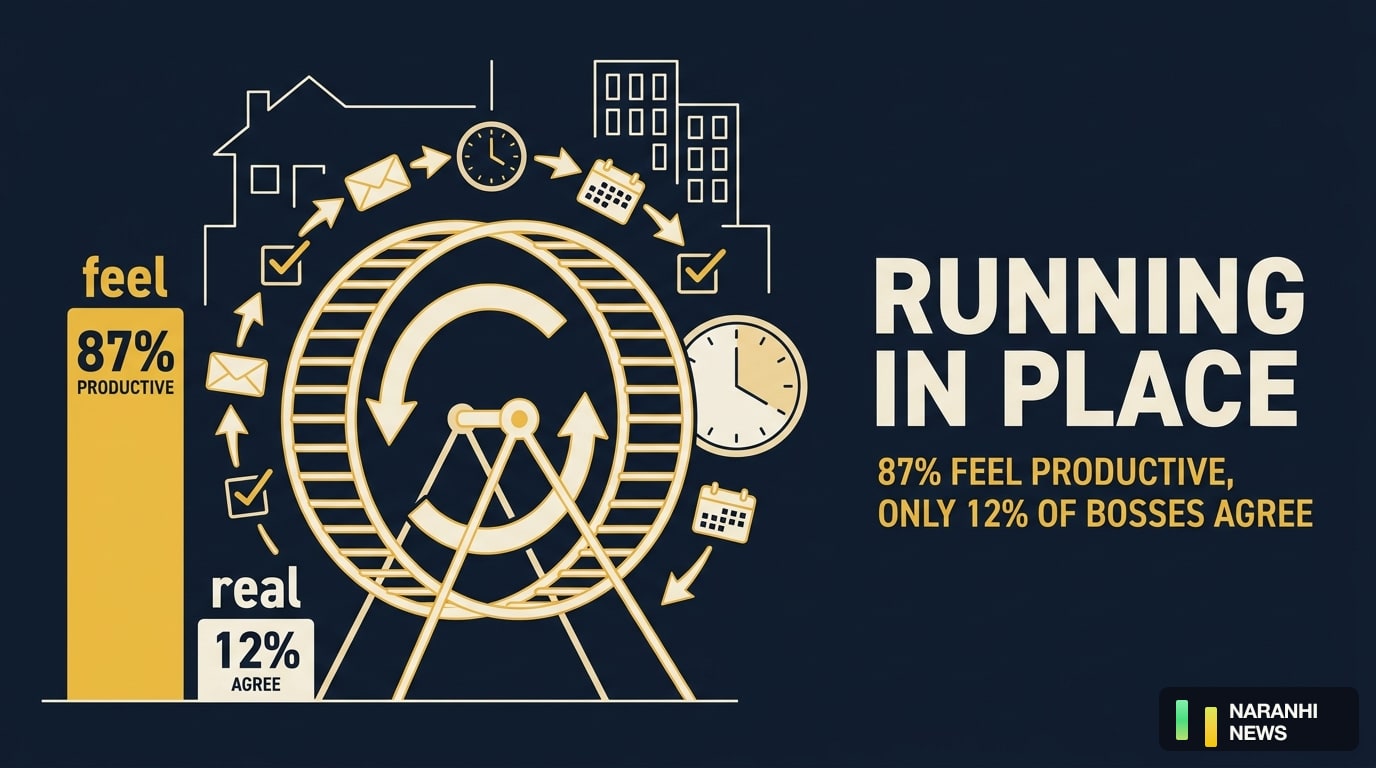
87% Say They're Productive. Only 12% of Managers Agree.
직원 87%는 열심히 일한다고 해요. 관리자 중 12%만이 동의해요.
Microsoft's 2026 Work Trend Index surveyed workers and managers across 31 countries and found a striking : 87% of employees believe they are productive, but only 12% of their managers agree. Researchers call this "productivity " — the anxiety that employees feel about appearing productive, especially when no one can physically see them working. The hidden cost is measurable: on average, employees waste 2.1 hours per day on what the report calls " productivity" — activity designed to effort rather than deliver results.
마이크로소프트의 2026 업무 트렌드 보고서는 31개국 직원과 관리자를 조사했고, 놀라운 괴리를 발견했어요. 직원의 87%가 자신이 생산적이라고 믿는 반면, 그들의 관리자 중 단 12%만이 동의했어요. 연구자들은 이것을 "생산성 불안(productivity paranoia)"이라고 부르는데요. 특히 물리적으로 일하는 모습을 아무도 볼 수 없을 때, 직원들이 생산적으로 보여야 한다는 압박을 받는 심리적 불안이에요. 숨겨진 비용은 측정할 수 있어요. 평균적으로 직원들은 하루에 2.1시간을 보고서가 "가시적 생산성(performative productivity)"이라고 부르는 것에 낭비해요. 결과물을 내는 게 아니라 열심히 한다는 신호를 보내기 위한 활동들이에요.
The cause
When Presence Moved Online, So Did the Pressure to Perform
존재감이 온라인으로 옮겨오자, 증명해야 한다는 압박도 따라왔어요
In traditional offices, being present was enough proof of effort — your manager could see you at your desk, hear you on calls, notice when you stayed late. Remote and hybrid work removed that , so employees began replacing physical presence with digital signals: sending messages at unusual hours, keeping status lights green, attending meetings they don't need. The irony is that doesn't solve the problem — it makes it worse: the more monitored employees feel, the more time they spend managing how they look rather than what they produce.
전통적인 사무실에서는 그냥 자리에 있는 것 자체가 충분한 노력의 증거였어요. 관리자가 책상에 앉아 있는 모습을 보고, 통화 소리를 듣고, 늦게까지 남아있는 것을 알아챌 수 있었으니까요. 재택·하이브리드 근무는 그 가시성을 없애버렸고, 직원들은 물리적 존재감을 디지털 신호로 대체하기 시작했어요. 홀수 시간에 메시지를 보내고, 상태 표시등을 초록색으로 유지하고, 필요 없는 회의에 참석하는 것들이에요. 아이러니한 건, 감시가 문제를 해결하지 못한다는 거예요. 오히려 악화시켜요. 직원들이 감시받는다고 느낄수록, 실제로 무엇을 만들어내는가보다 어떻게 보이는가에 더 많은 시간을 쓰게 되거든요.
Korea reality
KakaoWork, Teams, and the Always-On Culture That Won't Let You Rest
카카오워크, Teams, 그리고 쉴 틈 없는 한국 직장 문화
The pattern is especially visible in South Korea, where hybrid and remote work adoption has accelerated since 2022 alongside deep-rooted workplace culture that prizes visible dedication. Studies show that Korean workers check work messaging apps like KakaoWork and Teams during off-hours at nearly twice the OECD average — a habit driven not by workload but by the fear of appearing unavailable.
이 패턴은 한국에서 특히 두드러져요. 2022년 이후 재택·하이브리드 근무가 빠르게 확산됐지만, 눈에 보이는 헌신을 중시하는 직장 문화가 여전히 뿌리 깊게 남아있거든요. 연구에 따르면, 한국 직장인들은 퇴근 후에도 카카오워크·Teams 같은 업무 메신저를 확인하는 빈도가 OECD 평균의 약 2배에 달해요. 업무량 때문이 아니라, 연락이 안 되는 사람처럼 보일까 봐 생기는 두려움에서 비롯된 습관이에요.
Quick fix
Output Over Activity: Three Practices That Actually Work
활동이 아닌 성과로: 실제로 효과 있는 세 가지 습관
The solution isn't more monitoring — it's a shift to output-based management: evaluating people by what they deliver, not by when or how visibly they work. Companies experimenting with this approach — measuring results rather than activity — report immediate improvements in both employee wellbeing and actual productivity . At the individual level, three practices help: "working aloud" (sharing what you're working on so your output is visible without performance), setting clear result targets with your manager before a project begins, and protecting blocks of focus time. The shift matters beyond individual wellbeing: as AI tools take over measurable activity , human value at work will increasingly depend on the quality of output, not the quantity of visible effort. Next time you feel the to send a message just to look active, ask yourself instead: what is the one result I can deliver today that will still matter next week — and start there.
해결책은 더 많은 감시가 아니에요. 바로 성과 중심 관리(output-based management)로의 전환이에요. 언제, 얼마나 눈에 띄게 일하는가가 아니라, 무엇을 만들어냈는가로 평가하는 방식이에요. 이 방식을 실험하는 기업들 — 활동 지표 대신 결과물을 측정하는 곳들 — 은 직원 웰빙과 실제 생산성 지표 모두에서 즉각적인 개선을 보고하고 있어요. 개인 수준에서는 세 가지 습관이 도움이 돼요. "업무 공유(working aloud)" — 퍼포먼스 없이도 작업 내용이 자연스럽게 보이도록 팀과 공유하기, 프로젝트 시작 전 관리자와 명확한 결과 목표 합의하기, 그리고 방해받지 않는 집중 시간 확보하기예요. 이 변화는 개인의 웰빙을 넘어선 의미가 있어요. AI 도구들이 측정 가능한 활동 지표를 대신 채워가면서, 직장에서 사람의 가치는 눈에 보이는 노력의 양이 아니라 결과물의 질로 점점 더 결정될 거예요. 다음에 그냥 바빠 보이려고 메시지를 보내고 싶은 충동이 들 때, 여러분 스스로에게 이렇게 물어보세요. 오늘 내가 만들어낼 수 있는, 다음 주에도 의미 있을 결과물은 무엇인가 — 그리고 거기서부터 시작해요.
Recall
다시 읽기 전에, 떠올려 보세요
한국어 문장을 보고 빈칸에 들어갈 영어 표현을 써 보세요. 다시 읽는 것보다 기억에서 꺼내 볼 때 더 오래 남아요.
이 칼럼이 마음에 드셨나요?
새 칼럼이 발행되면 영문 + 한글 본문을 통째로 메일로 보내드려요. 매일 아침, 광고 없이.
언제든 한 번에 해지할 수 있어요.