Health Tech
South Korea Is Betting Its National Health System on AI Cancer Screening
한국이 국가 건강검진에 AI 암 판독을 도입해요
읽기 도움말단어 수준자주 쓰는 3,000 단어가 본문의 87%예요. 그 밖의 단어는 100단어에 13개꼴이에요.
- 1K74%
- 2K11%
- 3K2%
- 5K5%
- 5K+8%
5,000 단어 밖 ambitious · rollouts · diagnostic · colorectal · gastric · vendors · radiologists · suspicious
Hook
An Algorithm Will Read Your Scan Before the Doctor Does
의사가 보기 전에 알고리즘이 먼저 영상을 읽어요
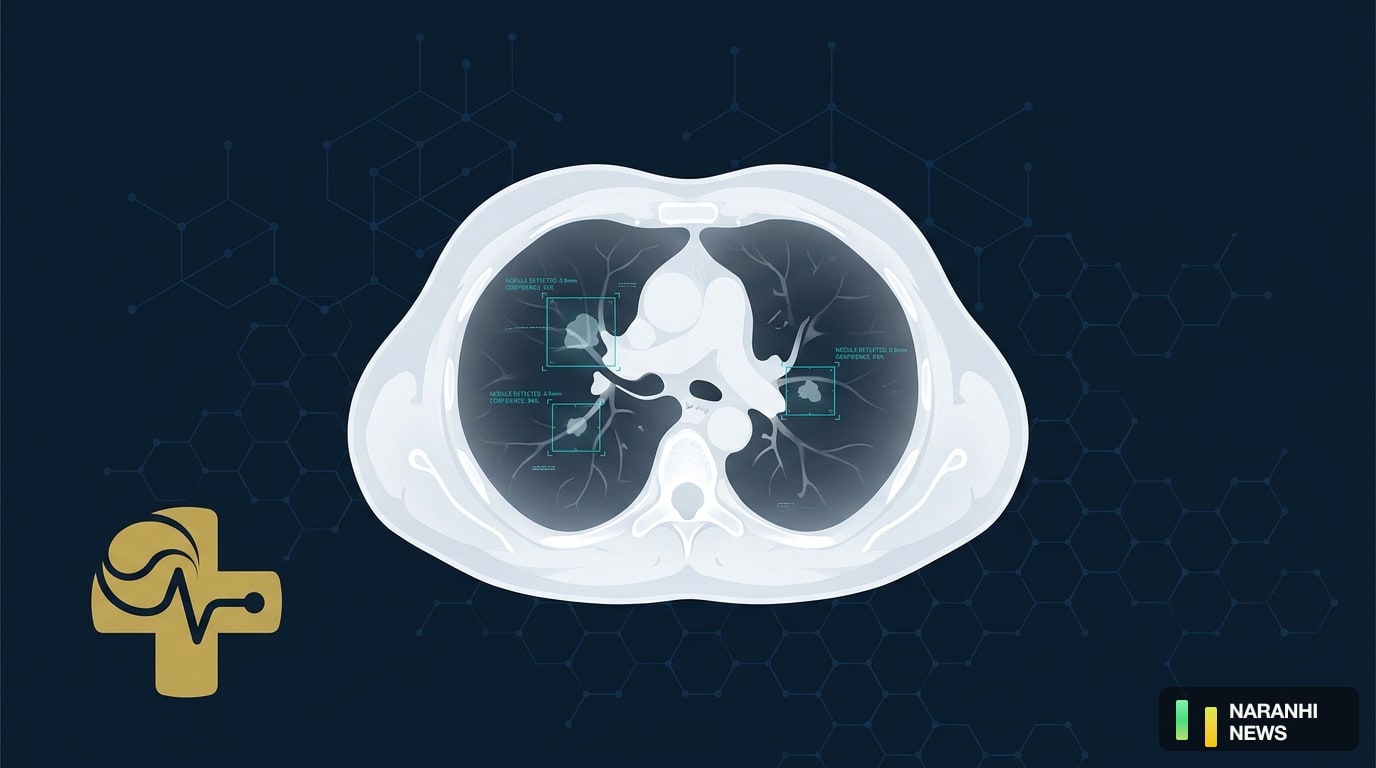
One in four Korean adults will receive a cancer diagnosis at some point in their lifetime — and starting this summer, an AI system will be the first to review their screening scans at over a hundred public health centers across the country. South Korea's National Health Insurance Service has announced a Q3 2026 pilot program to integrate AI-assisted cancer screening into its national health check-up system — one of the most ambitious rollouts of diagnostic AI within a national health system anywhere in the world.
한국 성인 4명 중 1명은 평생 한 번쯤 암 진단을 받아요. 그리고 올여름부터는 전국 100개가 넘는 보건소에서 AI 시스템이 암 검진 영상을 가장 먼저 검토하게 돼요. 한국 국민건강보험공단(NHIS)이 2026년 3분기부터 AI 보조 암 판독을 국가 건강검진 체계에 통합하는 파일럿을 발표했어요. 단일 국가 보건 체계 안에서 이루어지는 진단 AI 도입으로는 세계적으로도 가장 규모 있는 시도 중 하나예요.
What happened
800,000 Patients, Four Cancers, Three AI Vendors — Running in Parallel
80만 명, 4종 암, 3개 AI 업체 — 동시에 진행돼요
The pilot covers four cancer types — lung, breast, colorectal, and gastric — and will run at 120 designated health centers, with AI tools from three different vendors analyzing the same scans that radiologists are already reviewing. The AI does not make the final call: its role is to flag suspicious areas, which radiologists then review for — checking whether the AI and human readers agree, and documenting cases where they differ. The pilot cohort is approximately 800,000 patients, and its results will directly inform a national policy decision expected in 2027 — whether AI-assisted reading becomes a permanent, part of South Korea's cancer screening program.
파일럿은 폐암, 유방암, 대장암, 위암 4종을 대상으로 하고, 120개 지정 보건소에서 운영돼요. 3개 AI 업체의 도구가 방사선과 전문의가 이미 검토하는 것과 동일한 영상을 분석해요. AI가 최종 판단을 내리는 건 아니에요. AI의 역할은 의심 부위에 플래그를 표시하는 것이고, 방사선과 전문의가 AI와 사람 판독자의 의견이 일치하는지 — 일치율을 검토하고, 의견이 다른 경우를 기록해요. 파일럿 코호트는 약 80만 명이고, 결과는 2027년으로 예정된 국가 정책 결정에 직접 반영돼요. AI 보조 판독이 한국 암 검진 프로그램의 영구적이고 보험 급여 대상이 되는 항목으로 포함될지 여부예요.
Clinical meaning
What AI Actually Does — and Does Not Do — in a Screening Room
검진실에서 AI가 실제로 하는 것과 하지 않는 것
Current AI cancer screening tools have demonstrated sensitivity rates above 90% for detecting early-stage lung nodules in CT scans and suspicious lesions in mammograms, often catching findings that human readers miss on initial review — but they also generate false positives at a higher rate than experienced specialists. The concern is : when AI flags a borderline finding, patients may undergo additional imaging, biopsies, or procedures that cause anxiety and cost — for conditions that might never have caused harm if left undetected.
현재 AI 암 검진 도구는 CT에서 초기 폐결절 감지와 유방촬영에서 의심 병변 탐지에 90% 이상의 민감도를 보이고 있어요. 종종 초기 검토에서 사람 판독자가 놓치는 소견을 잡아내기도 하지만, 숙련된 전문의보다 위양성 비율이 더 높아요. 우려되는 것은 과잉 진단이에요. AI가 경계성 소견에 플래그를 달면, 환자가 추가 영상 검사, 조직 검사, 시술을 받게 될 수 있어요. 이는 불안과 비용을 초래하는데, 발견되지 않았더라면 해를 끼치지 않았을 수도 있는 상태에 대한 것일 수 있어요.
Korea care system
Why the NHIS Pilot Is Different From Any Other AI Trial
NHIS 파일럿이 다른 AI 임상시험과 다른 이유
Most AI diagnostic pilots around the world take place inside a hospital system or research center — but the NHIS operates as a insurer covering virtually the entire Korean population, meaning its pilot results will not stay in a research paper. South Korea already has one of the world's highest rates of annual health screening participation — over 75% of adults use the NHIS's free cancer screening program each year — so any policy change that follows this pilot will affect tens of millions of people within months. The pilot also raises questions that Korea's medical law has not yet fully addressed: if an AI system misses a cancer that a radiologist would have caught, or flags something benign that leads to an unnecessary biopsy, who is responsible — the AI vendor, the hospital, or the NHIS itself? A specific concern is the AI's performance on older patients and those with pre-existing conditions that alter normal anatomical baselines — populations overrepresented in Korea's rapidly aging society but potentially underrepresented in the algorithm's training data, creating care disparities that may emerge only after widespread deployment. The NHIS has committed to publishing quarterly performance dashboards showing the AI system's sensitivity and specificity broken down by age, sex, and region — a level of transparency that exceeds what most equivalent programs in the United States or Europe have committed to, and that may set a new international benchmark for AI medical device . For Korean radiologists and pathologists, the NHIS pilot also raises a professional question about scope of practice: if an AI system handles initial screening, does the physician's role shift from detection to interpretation and communication, and how should that change in responsibility be reflected in billing codes and malpractice liability standards?
전 세계 대부분의 AI 진단 파일럿은 단일 병원 시스템이나 연구 센터 안에서 이루어져요. 하지만 NHIS는 사실상 한국 전체 인구를 아우르는 단일 보험자로 운영되기 때문에, 이 파일럿 결과는 연구 논문 안에 머물지 않아요. 한국은 이미 세계에서 연간 건강검진 참여율이 가장 높은 나라 중 하나예요. 성인의 75% 이상이 매년 NHIS 무료 암 검진 프로그램을 이용해요. 따라서 이 파일럿 이후 정책이 바뀌면 수개월 안에 수천만 명에게 영향이 미쳐요. 파일럿은 한국 의료법이 아직 완전히 다루지 못한 책임 문제도 제기해요. 방사선과 전문의라면 잡았을 암을 AI 시스템이 놓치거나, AI가 불필요한 조직 검사로 이어진 양성 소견에 플래그를 달면 책임은 누구에게 있을까요? AI 업체인가요, 병원인가요, NHIS 자체인가요? 구체적인 우려는 정상 해부학적 기준선을 변경하는 기존 질환을 가진 고령 환자에 대한 AI의 성능이에요. 빠르게 고령화되는 한국 사회에서 과대 대표되지만 알고리즘 훈련 데이터에서는 잠재적으로 과소 대표되는 집단이에요. 광범위한 배치 이후에야 나타날 수 있는 의료 불평등을 만들어요. NHIS는 연령, 성별, 지역별로 분류된 AI 시스템의 민감도와 특이도를 보여주는 분기별 성과 대시보드 게시를 약속했어요. 미국이나 유럽의 대부분의 동등한 프로그램이 약속한 것을 초과하는 수준의 투명성이에요. AI 의료기기 책임에 대한 새로운 국제 기준을 세울 수 있어요. 한국 영상의학과 의사와 병리학자들에게, NHIS 파일럿은 또한 진료 범위에 대한 직업적 질문을 제기해요. AI 시스템이 초기 검사를 처리한다면, 의사의 역할이 감지에서 해석과 소통으로 이동하는지, 그리고 책임의 그 변화가 청구 코드와 의료 과실 책임 기준에 어떻게 반영되어야 하는지가 핵심이에요.
Patient action
What to Ask at Your Next Health Check-Up
다음 건강검진 때 여러분이 확인할 것
If you receive cancer screening through the NHIS system this year, you can ask the health center staff whether AI-assisted reading is being used at that facility — and if so, whether you will be informed if the AI and the radiologist reach different conclusions. Before your next cancer screening appointment, look up whether your local public health center is among the 120 pilot sites — and remember that being part of a pilot does not mean you are getting experimental care, but it does mean your data is helping shape the future of how Korea detects cancer for everyone.
올해 NHIS를 통해 암 검진을 받는다면, 해당 보건소에서 AI 보조 판독이 사용되고 있는지 물어볼 수 있어요. 그리고 사용된다면, AI와 방사선과 전문의의 결론이 달라질 경우 안내받을 수 있는지도 확인해보세요. 다음 암 검진 예약 전에, 여러분 지역 보건소가 120개 파일럿 기관에 포함되는지 확인해보세요. 파일럿에 포함된다는 것이 실험적 치료를 받는다는 의미는 아니에요. 하지만 여러분의 데이터가 앞으로 한국이 암을 발견하는 방식을 만들어가는 데 기여한다는 의미예요.
Recall
다시 읽기 전에, 떠올려 보세요
한국어 문장을 보고 빈칸에 들어갈 영어 표현을 써 보세요. 다시 읽는 것보다 기억에서 꺼내 볼 때 더 오래 남아요.
이 칼럼이 마음에 드셨나요?
새 칼럼이 발행되면 영문 + 한글 본문을 통째로 메일로 보내드려요. 매일 아침, 광고 없이.
언제든 한 번에 해지할 수 있어요.