AI Trend
AI Assistants Are Starting to Remember You — and That Changes Everything
AI가 당신을 기억하기 시작했어요 — 그리고 모든 게 달라집니다
읽기 도움말단어 수준자주 쓰는 3,000 단어가 본문의 93%예요. 그 밖의 단어는 100단어에 7개꼴이에요.
- 1K75%
- 2K13%
- 3K4%
- 5K4%
- 5K+4%
5,000 단어 밖 frustration · persistent · personalize · repetitive · personalization · tutor · sovereignty · explicit
Intro
How Many Times Have You Explained Yourself to an AI?
AI에게 같은 말, 몇 번이나 반복하셨나요?
Picture this: you open a new ChatGPT conversation, and within your first message you find yourself typing the same background information you have typed dozens of times before — your job, your project, your preferences. That frustration is about to become a thing of the past, because the world's leading AI assistants — ChatGPT, Claude, and Gemini — are all racing to give their models something they have never had before: persistent memory.
이런 장면, 익숙하지 않나요? 새로운 ChatGPT 대화창을 열고, 첫 메시지부터 직업, 진행 중인 프로젝트, 선호하는 방식을 또다시 처음부터 입력하게 되는 상황 말이에요. 그 답답함이 곧 과거의 일이 될 것 같아요. ChatGPT, Claude, Gemini — 세계 최고의 AI 어시스턴트들이 지금껏 없었던 기능을 동시에 개발하고 있거든요. 바로 지속적 기억이에요.
What's new
Your AI Is Learning to Know You
AI가 나를 알아가기 시작했어요
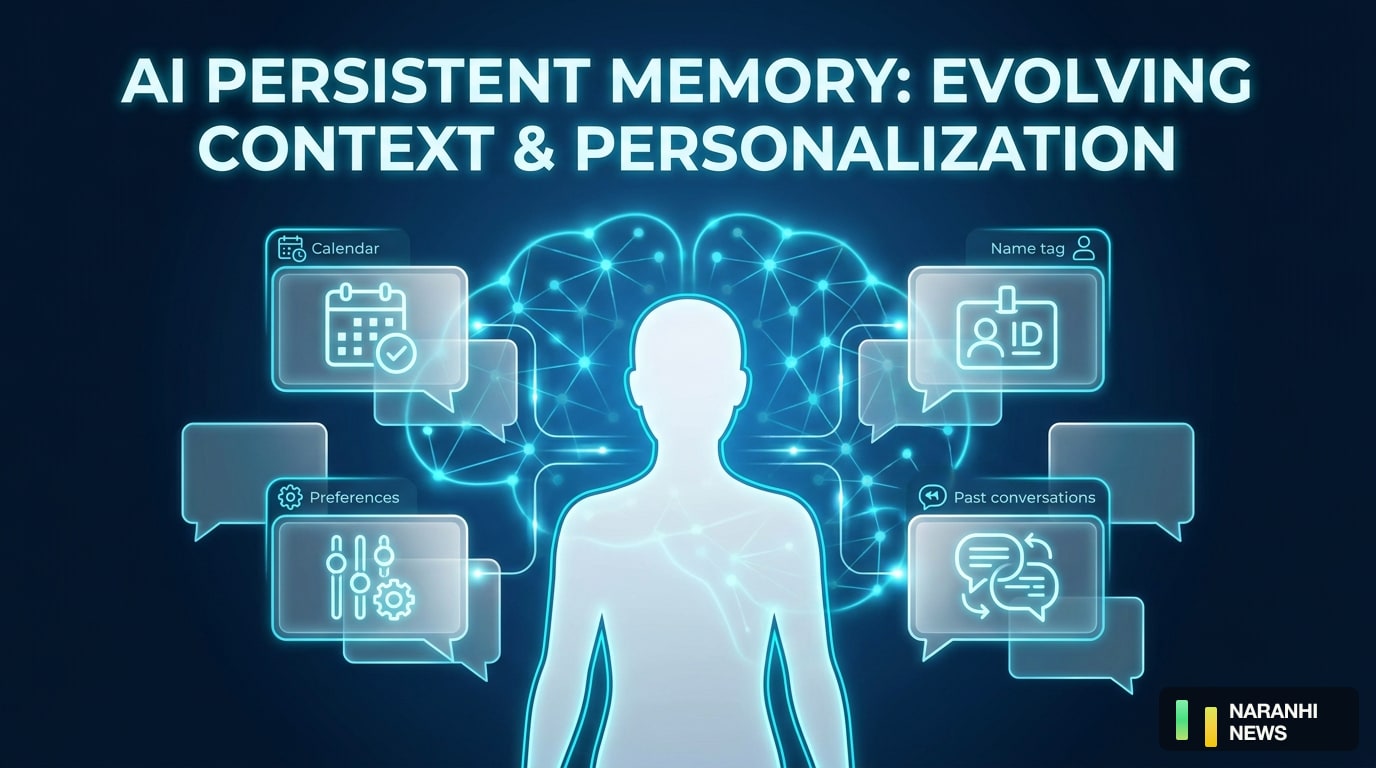
OpenAI's Memory feature, now available to all ChatGPT Plus subscribers worldwide, stores structured notes about each user — your name, occupation, communication style, ongoing projects — and automatically references them in every future conversation. Anthropic is currently testing a similar system for Claude, while Google already offers a Memory section inside the Gemini app where users can add, edit, and delete personal notes that the AI uses to personalize responses. The fact that all three major players are moving in the same direction at the same time signals a fundamental shift: AI assistants are evolving from one-time tools into something closer to a long-term personal assistant that actually knows you.
전 세계 ChatGPT Plus 구독자에게 출시된 OpenAI의 Memory 기능은 이름, 직업, 소통 스타일, 진행 중인 프로젝트처럼 사용자에 대한 구조화된 메모를 저장하고, 이후 모든 대화에서 자동으로 참고해요. Anthropic은 Claude를 위한 유사한 시스템을 테스트 중이고, Google은 이미 Gemini 앱 안에 Memory 섹션을 제공해서 사용자가 직접 개인 메모를 추가·수정·삭제할 수 있어요. 세 회사 모두가 동시에 같은 방향으로 움직이고 있다는 건 중요한 신호예요. AI 어시스턴트가 일회성 도구에서, 당신을 실제로 아는 장기적 개인 비서에 가까운 존재로 진화하고 있다는 뜻이에요.
Why it matters
Why This Is a Game-Changer
왜 이게 게임체인저인가요
For everyday users, persistent memory means no more repetitive setup in every chat: the AI already knows your background, so you can jump straight into the work that matters. In South Korea, where AI assistant usage has grown particularly fast among students and office workers, the promise is especially appealing — imagine an AI tutor that remembers your weak spots, or a writing assistant that has learned your preferred tone.
일반 사용자에게 지속적 메모리는 매 대화마다 반복하던 배경 설명이 사라진다는 의미예요. AI가 이미 당신의 상황을 알고 있으니, 바로 본론으로 들어갈 수 있어요. 학생과 직장인 사이에서 AI 어시스턴트 사용이 특히 빠르게 늘어난 한국에서, 이 개인화의 약속은 더욱 매력적이에요. 내 약점을 기억하는 AI 튜터, 혹은 내가 선호하는 문체를 이미 익힌 글쓰기 도우미를 상상해보세요.
The other side
But Who Owns What the AI Remembers About You?
그런데, AI가 기억하는 나의 정보는 누구 것일까요?
Privacy advocates are raising urgent questions about AI memory: Is the stored data used to train future models? What happens to your memory records if you close your account? Can employers or governments ever access them? The concept of data — your right to control and own your personal data — becomes far more complex when an AI assistant holds a detailed profile of your habits, beliefs, and daily struggles. In South Korea, where the Personal Information Protection Act (PIPA) imposes strict rules on data collection and , AI memory data could be classified as sensitive personal information, requiring explicit user agreement before storage. The PIPA concern is particularly acute because Korean users tend to use AI assistants for a broader range of sensitive tasks than counterparts in Europe or North America — from submitting insurance claims to drafting legal documents — meaning the volume and sensitivity of data being stored in AI memory systems is proportionally higher. One emerging solution is differential privacy architecture, in which the AI retains behavioral patterns extracted from your conversations without storing the underlying content — so it remembers that you prefer terse summaries and delivery, but not the specific information that generated those preferences. Several researchers argue that the most honest framing of AI memory is not privacy-versus-convenience but rather control: who can add to the memory, who can read it, who can delete it, and what happens to it if the company providing the service is acquired or goes bankrupt.
개인정보 전문가들은 AI 메모리에 대한 중요한 질문들을 던지고 있어요. 저장된 데이터가 미래 모델 훈련에 쓰이나요? 계정을 삭제하면 메모리 데이터는 어떻게 되나요? 고용주나 정부가 접근할 수 있나요? 데이터 주권 — 자신의 개인 데이터를 통제하고 소유할 권리 — 이라는 개념은, AI가 당신의 습관·가치관·일상의 고민을 담은 상세한 프로필을 보유할 때 훨씬 복잡해져요. 개인정보보호법(PIPA)이 데이터 수집과 동의에 엄격한 기준을 적용하는 한국에서는, AI 메모리 데이터가 민감 개인정보로 분류될 수 있어 저장 전에 명시적 동의가 필요할 수도 있어요. PIPA 우려는 한국 사용자들이 유럽이나 북미의 대응자들보다 더 광범위한 민감한 업무에 AI 어시스턴트를 사용하는 경향이 있기 때문에 특히 심각해요. 보험 청구 제출부터 법률 문서 작성까지요. AI 메모리 시스템에 저장되는 데이터의 양과 민감도가 비례적으로 더 높다는 뜻이에요. 하나의 등장하는 해법은 차등 프라이버시 아키텍처예요. AI가 기본 내용을 저장하지 않고 대화에서 추출한 행동 패턴을 유지하는 것이에요. 여러분이 간결한 요약과 아침 배달을 선호한다는 것은 기억하지만, 그 선호도를 만들어낸 구체적인 정보는 기억하지 않아요. 여러 연구자들은 AI 메모리에 대한 가장 솔직한 프레임은 프라이버시 대 편의성이 아니라 통제의 문제라고 주장해요. 누가 메모리에 추가할 수 있는지, 누가 읽을 수 있는지, 누가 삭제할 수 있는지, 서비스를 제공하는 회사가 인수되거나 파산하면 어떻게 되는지가 핵심이에요.
What you can do
Convenience vs. Privacy — and What You Can Do Now
편의성 vs. 프라이버시 — 그리고 지금 당장 할 수 있는 것
The at the heart of AI memory is a familiar one in the digital age: you gain a more useful, personalized experience, but you give up a degree of control over what a powerful system knows about you — and the option to simply opt out is not always easy to find. Your AI assistant may already be building a profile of you — take five minutes this week to open its memory settings, review what it has stored, and decide what you are comfortable with, because the right to decide what an AI remembers about you belongs to you.
AI 메모리의 핵심에 있는 이 트레이드오프는 디지털 시대에 익숙한 문제예요. 더 유용하고 개인화된 경험을 얻는 대신, 강력한 시스템이 당신에 대해 알게 되는 정보에 대한 통제권 일부를 내려놓게 돼요. 그리고 거부 선택 옵션이 항상 찾기 쉬운 곳에 있지는 않아요. 지금 당장 할 수 있는 현명한 행동은 5분을 내서 자신이 자주 쓰는 AI 어시스턴트의 메모리 설정을 확인하는 거예요. 어떤 정보를 기억하게 할지 스스로 결정하고, 그 결정의 주도권은 당신에게 있다는 사실을 기억하세요.
Recall
다시 읽기 전에, 떠올려 보세요
한국어 문장을 보고 빈칸에 들어갈 영어 표현을 써 보세요. 다시 읽는 것보다 기억에서 꺼내 볼 때 더 오래 남아요.
이 칼럼이 마음에 드셨나요?
새 칼럼이 발행되면 영문 + 한글 본문을 통째로 메일로 보내드려요. 매일 아침, 광고 없이.
언제든 한 번에 해지할 수 있어요.