Health Tech
Korea's First: The Galaxy Watch Is Now an Official Medical Device
갤럭시워치, 대한민국 최초 공식 의료기기 등록 — 손목 위에서 시작된 임상 혁명
읽기 도움말단어 수준자주 쓰는 3,000 단어가 본문의 84%예요. 그 밖의 단어는 100단어에 16개꼴이에요.
- 1K71%
- 2K9%
- 3K5%
- 5K7%
- 5K+8%
5,000 단어 밖 trackers · sophisticated · informal · ambiguity · smartwatch · designation · wearable · saturation
Hook
For most of the last decade, fitness trackers occupied an awkward middle ground — sophisticated enough to measure your heart rate, too informal to count as medical evidence. That ended in South Korea in June 2026. The Ministry of Food and Drug Safety registered the Samsung Galaxy Watch series as South Korea's first digital health support device — the first time a government in a major consumer market has given a smartwatch a formal clinical . The announcement marks a turning point not just for Samsung, but for the global wearable industry — and for every patient who has ever wondered whether their smartwatch data was worth showing a doctor.
지난 10년 대부분 동안, 피트니스 트래커는 어정쩡한 중간 지대에 머물렀습니다. 심박수를 측정할 만큼 정교하지만, 의학적 증거로는 인정받지 못하는 위치였죠. 그 애매함이 2026년 6월, 대한민국에서 마침내 끝났습니다. 식품의약품안전처(식약처)가 삼성 갤럭시워치 시리즈를 대한민국 최초의 디지털 건강 지원기기로 공식 등록했습니다. 주요 소비자 시장에서 스마트워치에 공식 임상 지위를 부여한 것은 이번이 처음입니다. 이 발표는 삼성만의 전환점이 아닙니다. 글로벌 웨어러블 산업 전체의 분기점이자, 스마트워치 데이터를 의사에게 보여줄 가치가 있는지 고민했던 모든 환자에게 주어진 답이기도 합니다.
What happened
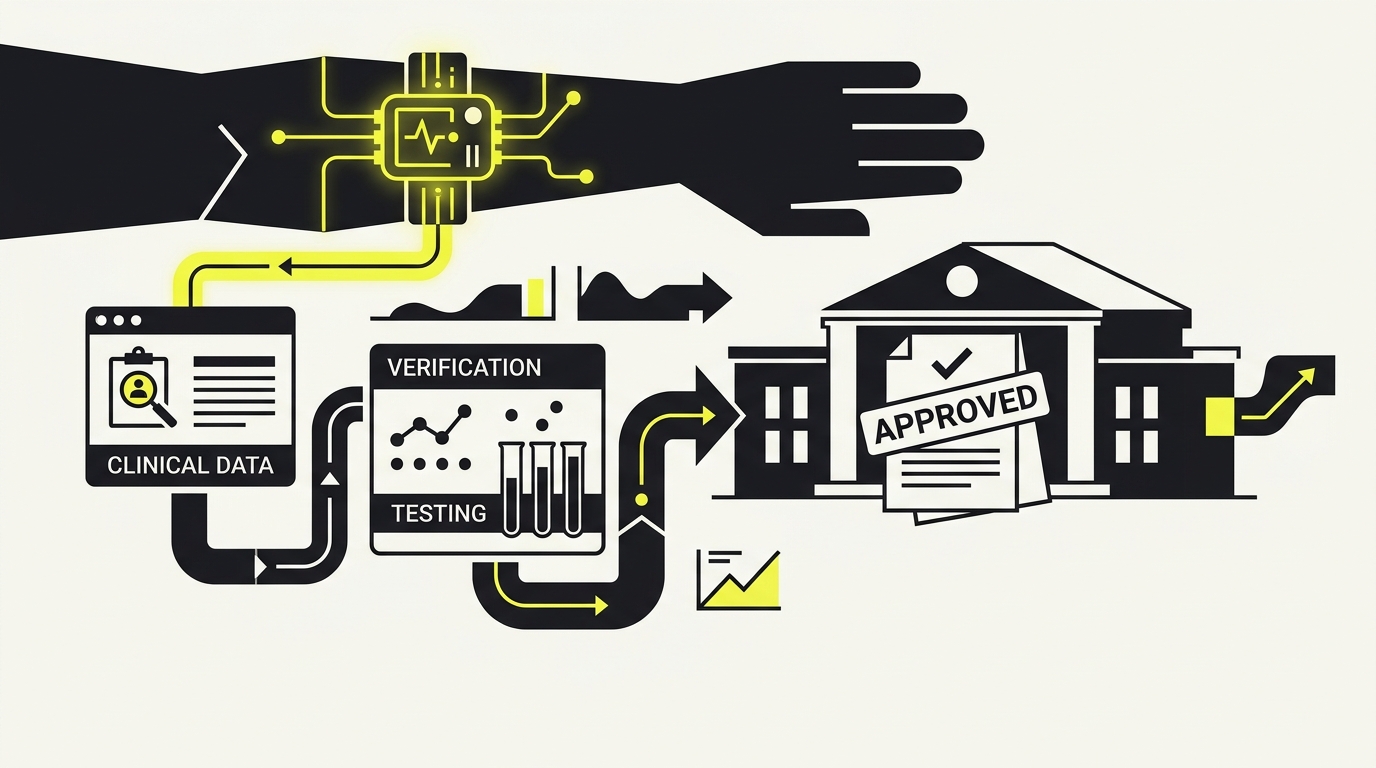
The registration covers three core functions: continuous heart rate monitoring, blood oxygen saturation measurement, and step counting — capabilities that are now legally classified as medical support features rather than wellness extras. The distinction matters more than it might appear: a device with clinical registration carries legal that a wellness product does not, including accuracy requirements, data handling obligations, and post-market surveillance. Samsung had also earned a separate MFDS clearance for Galaxy Watch's AI-based detection of left ventricular systolic dysfunction — a form of heart failure — making the watch arguably the most clinically consumer wearable in the world.
등록 범위는 세 가지 핵심 기능을 포함합니다. 연속 심박수 모니터링, 혈중 산소 포화도 측정, 걸음 수 계산. 이 기능들은 이제 법적으로 단순한 웰니스 부가 기능이 아닌, 의료 지원 기능으로 분류됩니다. 이 구분은 겉으로 보이는 것보다 훨씬 중요합니다. 임상 등록을 받은 기기는 웰니스 제품과 달리 정확도 요건, 데이터 처리 의무, 시판 후 감시(post-market surveillance) 등 법적 책임을 집니다. 삼성은 갤럭시워치의 AI 기반 좌심실 수축 기능 장애(LVSD), 즉 일종의 심부전 감지 기능에 대해 별도 식약처 허가도 받았습니다. 이로써 갤럭시워치는 세계에서 가장 임상적으로 검증된 소비자용 웨어러블이라 해도 과언이 아닙니다.
Clinical meaning
What does it actually mean for a wearable to cross into clinical territory? In practical terms, it means the data a Galaxy Watch produces can be referenced in a clinical encounter — a doctor's appointment, a hospital admission, an insurance assessment — with regulatory backing that was previously absent. A joint study with Chung-Ang University Gwangmyeong Hospital Galaxy Watch's ability to predict vasovagal syncope — a common cause of fainting — up to thirty minutes before an episode, giving patients and clinicians a genuine early-warning window. AI algorithms built on Galaxy Watch data are now across more than a hundred Korean hospitals, processing health signals from roughly 120,000 patients every month.
웨어러블이 임상 영역에 진입한다는 것은 실제로 무엇을 의미할까요? 실질적으로는 갤럭시워치가 생성하는 데이터를, 이전에는 없었던 규제 당국의 뒷받침을 받아 진료, 입원, 보험 심사 등 임상 현장에서 참조할 수 있게 됩니다. 중앙대학교 광명병원과의 공동 연구에서 갤럭시워치가 흔한 실신 원인인 혈관미주신경성 실신(vasovagal syncope)을 발작 30분 전에 예측하는 능력이 검증됐습니다. 환자와 임상의 모두에게 실질적인 조기 경보 창을 제공하는 셈입니다. 갤럭시워치 데이터를 기반으로 구축된 AI 알고리즘이 현재 국내 100개 이상의 병원에 배포돼, 매월 약 12만 명의 환자 건강 신호를 처리하고 있습니다.
Korea care system
Why did this happen in Korea first? South Korea combines three ingredients few countries can match: a single-payer national health insurance system that can adopt new technologies quickly, a population highly comfortable with digital health tools, and Samsung itself — one of the world's largest device manufacturers with deep roots in domestic healthcare infrastructure. Samsung Medical Center has already opened AI-powered smart hospital rooms where wearable vital-sign monitoring, fall detection, and AI-driven patient education are built into the room itself — not added as afterthoughts. For other major markets — the United States, the European Union, Japan — similar registrations could follow within two to three years, provided early clinical data from Korea holds up under scrutiny.
왜 한국이 먼저였을까요? 한국은 다른 나라에서 좀처럼 찾기 어려운 세 가지 요소를 갖추고 있습니다. 새로운 기술을 신속하게 수용할 수 있는 단일 건강보험 체계, 디지털 건강 도구에 매우 친숙한 인구, 그리고 국내 의료 인프라에 깊이 뿌리내린 세계 최대 기기 제조업체 중 하나인 삼성. 삼성서울병원은 이미 AI 기반 스마트 병실을 열었습니다. 웨어러블 생체신호 모니터링, 낙상 감지, AI 기반 환자 교육이 나중에 덧붙인 것이 아니라 처음부터 병실 자체에 내재된 인프라로 구현돼 있습니다. 미국, 유럽연합, 일본 등 다른 주요 시장도 한국의 초기 임상 데이터가 검증을 통과한다면, 2~3년 내에 유사한 등록이 이어질 수 있습니다.
Patient action
If you wear a Galaxy Watch in Korea, the first practical step is asking your doctor how they want to receive your data — because not every clinic has Samsung Health's clinical export tools yet. If you have a cardiac condition, irregular heart rhythm, or a history of fainting, wearable data can now be a meaningful to the snapshot your doctor gets in a ten-minute appointment. Whether you use a Galaxy Watch, an Apple Watch, or an Oura ring, the broader shift is the same: wearable data is moving from lifestyle metric to clinical record — and decisions about how that transition is governed are being made right now, with or without your input.
한국에서 갤럭시워치를 착용하고 있다면, 가장 먼저 해야 할 실질적인 조치는 주치의에게 데이터를 어떻게 받기를 원하는지 묻는 것입니다. 아직 삼성 헬스의 임상 데이터 내보내기 도구를 모든 병원이 도입한 것은 아니기 때문입니다. 심장 질환, 불규칙한 심장 리듬, 또는 실신 병력이 있다면, 웨어러블 데이터는 의사가 10분짜리 진료에서 파악하는 단편적 정보에 유의미한 보완 자료가 될 수 있습니다. 갤럭시워치든, 애플워치든, 우라링이든, 더 넓은 흐름은 동일합니다. 웨어러블 데이터는 라이프스타일 지표에서 임상 기록으로 이동하고 있으며, 이 전환이 어떻게 관리될지에 관한 결정은 여러분의 참여 여부와 상관없이 지금 이 순간에도 이뤄지고 있습니다.
Recall
다시 읽기 전에, 떠올려 보세요
한국어 문장을 보고 빈칸에 들어갈 영어 표현을 써 보세요. 다시 읽는 것보다 기억에서 꺼내 볼 때 더 오래 남아요.
이 칼럼이 마음에 드셨나요?
새 칼럼이 발행되면 영문 + 한글 본문을 통째로 메일로 보내드려요. 매일 아침, 광고 없이.
언제든 한 번에 해지할 수 있어요.